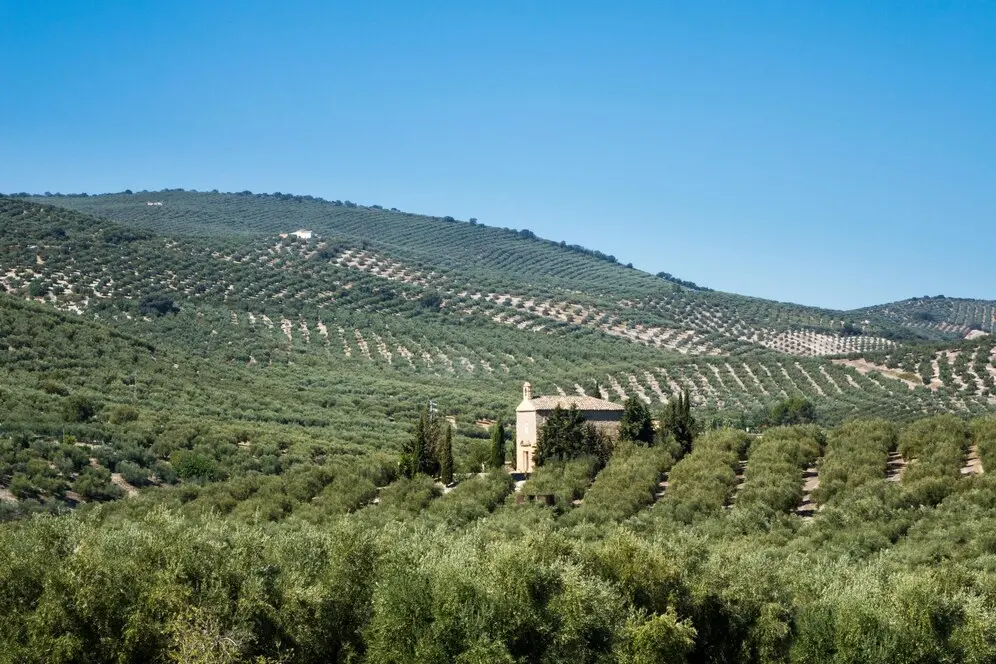
De Luz is a farming community on the west end of Riverside County. It is in the Santa Ana Mountains, west of the 15 freeway and just up the hill from Temecula Valley. At only a dozen miles from the Pacific Coast, and a short drive from San Diego’s Camp Pendleton, De Luz is not far from civilization, but it’s a special place; a secluded oasis of immense beauty & great abundance.
Prior to European settlement, the region was occupied by indigenous people collectively known as Payómkawichum, meaning “People of the West.” Throughout the late 1700s the number of Spanish explorers and missionaries in the area grew, and by the early 1800s, Spanish settlers called these people Luiseños due to their proximity to Mission San Luis Rey de Francia in what is now Oceanside. Following the end of the Mexican-American War in 1848, the region was largely inhabited by Spaniards who settled as homesteaders. Although unconfirmed, the name De Luz very likely came from Jose De Luz, a vaquero who owned a corral near Sandia Creek.
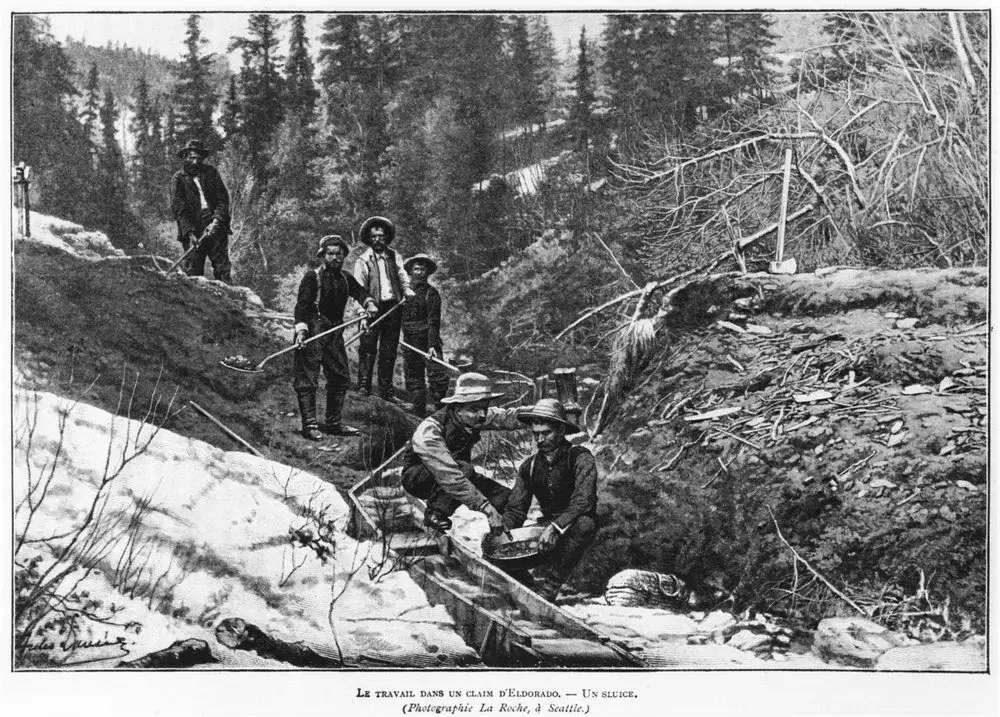
The region saw another population boom in 1870 when cattleman Fred Coleman, a former miner in Northern California Gold Rush, discovered gold flecks in a creek in the Cuyamacas Mountains. This creek became known as Coleman Creek, and Coleman’s discovery brought 100s of people to the town of Julian for a 2nd California gold rush. This gold rush was short-lived, but many of these men and their families settled in the region and began to farm the land. The rest is history.
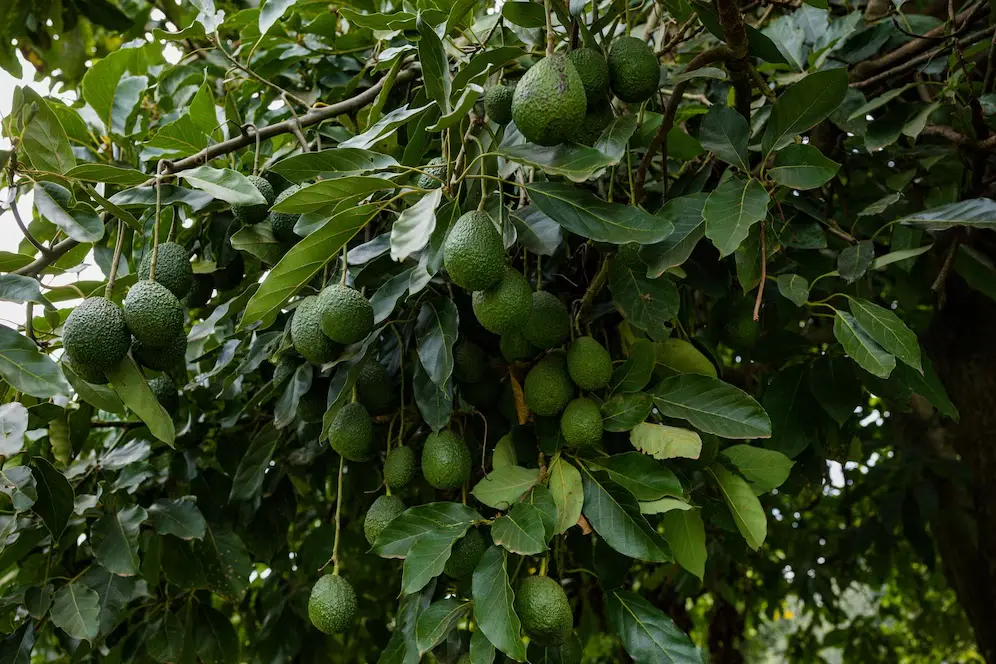
The climate and terroir of De Luz have made it a unique growing region. It’s a shining star for its production of citrus fruit and avocados. Avocado groves are punctuated throughout California, with many of those groves being in San Diego and Riverside counties. The De Luz town of Fallbrook is known as the avocado capital of the world. To make De Luz even more unique, it is peppered with lots of small family vineyards, making it one of the world’s only regions which grows both avocados and grapes with great success.
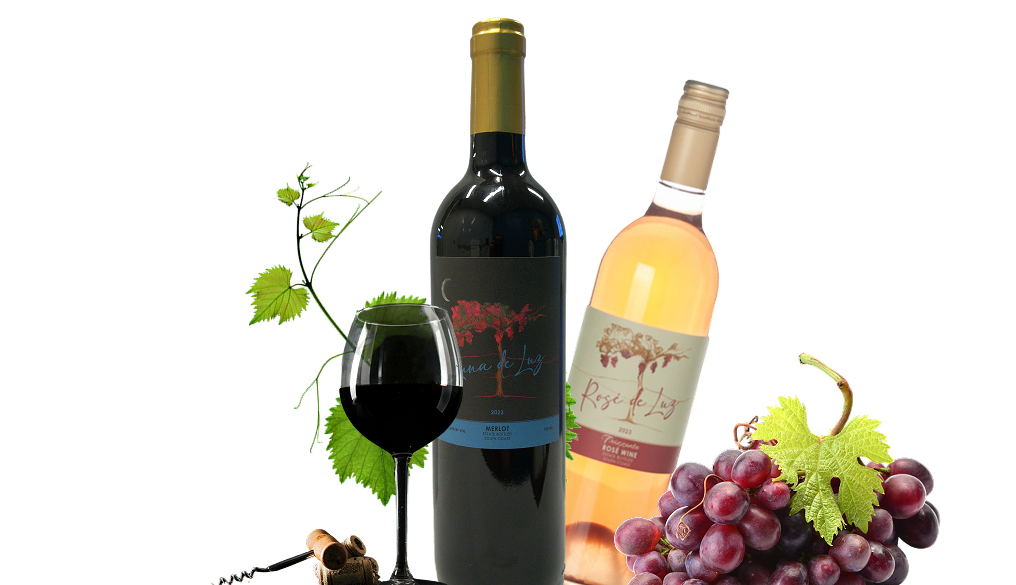
Regarding viticulture, De Luz has a microclimate that’s different from that of its Temecula neighbors. The brutal valley floor heat summer heat makes it difficult to grow certain varietals, but De Luz’s weather is more forgiving. The mountains and fog shield the vines, creating a natural temperature shift. The vines get the sunlight they need to fully ripen in the daytime, but the weather cools down significantly at night, giving the grapes a rest and allowing their sugar levels to rise. A diverse array of wine grapes grow in De Luz, from Bordeaux varietals to Italian ones like Sangiovese and Barbera. Even the difficult to grow, thin-skinned varietals of Chardonnay and Pinot Noir thrive in De Luz.